

After a burst hose, a roof leak in heavy rain or stormwater through the house, you have a water problem that has not yet become a mould problem. The difference is how quickly the wet materials are found and dried. This service maps where the water went, dries the structure, removes what cannot be saved and treats surfaces at risk, carried out by an independent local contractor engaged through Illawarra Mould Removal.
Why speed matters
Mould needs moisture, and wet building materials provide it. The longer carpet, underlay, plasterboard and timber stay wet, the more likely growth becomes, and on the coast a saturated house cannot dry naturally into air that is already humid. What starts as a wet patch of carpet can spread into underlay, the bottom of wall cavities and the subfloor. NSW Health’s mould factsheet says that if water enters your home, water-damaged carpets and building materials should be completely cleaned and dried, and material that cannot be should be discarded.
After big rain events, demand for drying equipment and contractors rises across the region at once, so starting early helps. Our guide to mould after storms in the Illawarra covers what to do in the first days.
What the service involves
- Moisture mapping. Water tracks under floor coverings, into wall cavities through the bottom plate and down into the subfloor. Meters show the real wet footprint rather than what looks dry.
- Water type. Clean supply-line water, grey water and sewage or stormwater call for different responses; contaminated water means stricter removal of porous materials.
- Extraction and strip-out. Standing water extracted; saturated underlay, wet insulation and badly affected plasterboard removed early, because holding onto them keeps the house wet.
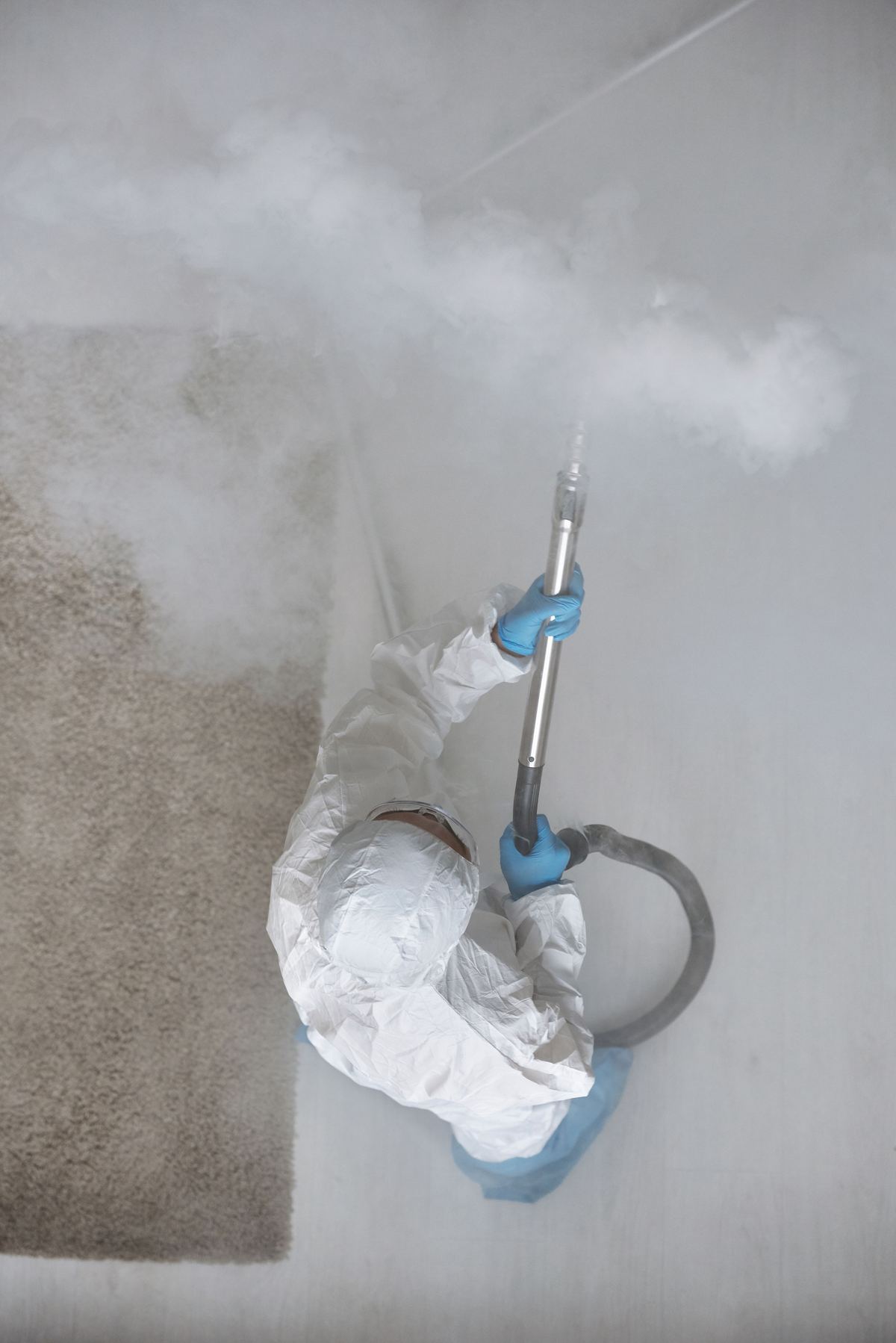
- Structural drying. Air movers and dehumidifiers run until readings in timber, plasterboard and slab return to normal. The equipment leaves when the numbers say so.
- Early mould treatment of at-risk surfaces, and of any growth that has started, in the same scope.
- Documentation: dated photos, moisture logs and a written scope, useful for an insurance claim and for landlords showing a property was returned to a dry state.
When to use it
- After a burst pipe, failed flexi hose, hot water system leak or overflowing bath, even if the water seems cleaned up
- After storm damage: roof failures, overflowing gutters, water through light fittings, stormwater entry
- Carpet that has stayed damp, or a new wet-carpet smell since the event
- A slow leak found late, under a dishwasher or behind a shower, where the question is how far it spread
If the water event was weeks or months ago and mould is now established, the honest scope is usually whole-home mould remediation rather than drying. If you are not sure whether an old leak left anything behind, a mould inspection answers that without committing you to works.
How the job runs
- Flag it as urgent in the Get a Free Quote form if water is still in the house, and describe what happened.
- Stop the source. Turn the water off at the meter for supply leaks. The repair itself is for a licensed plumber or roofer; nothing dries while water is still arriving.
- Assessment. The wet footprint is measured and photographed, the water type identified, and an itemised scope prepared. On insurance jobs the scope can be shaped around what the insurer’s assessor needs; the claim stays yours.
- Extraction, strip-out and drying, with monitoring visits and logged readings. If stormwater went under the house, the subfloor is checked before sign-off.
- Treatment and sign-off once final readings are normal, with a completion summary, moisture log and photo record.
- Reinstatement (carpet, plasterboard, painting) goes to licensed trades, quoted separately or through your insurance scope.
What drives the cost
The wet footprint drives everything: how many rooms, which materials got wet, how long the water sat and what kind of water it was. A clean-water leak caught the same day is a modest job; contaminated stormwater left in carpet over a weekend is not. How long drying takes, and so how long equipment stays, is the other big variable. See the mould removal cost guide for more detail.
Frequently asked questions
How quickly do I need to act after water damage?
As soon as you can. Stop the water, photograph everything for your claim, lift furniture off wet floors and get air moving while you arrange professional drying.
The carpet feels dry now. Am I in the clear?
Not necessarily. The carpet pile dries first; underlay, the slab or floorboards beneath and the bottom of the plasterboard dry last, and that hidden moisture is where mould starts. Moisture readings settle it in one visit.
Will insurance cover drying and mould work?
That depends on your policy and on what caused the water, and this site does not give insurance advice. Our guide to mould and home insurance explains the questions to ask your insurer; the moisture logs and photos from the job help substantiate a claim.
Can wet carpet be saved?
Often, if it was clean water and drying started promptly, although saturated underlay is usually replaced. Carpet soaked by sewage or contaminated stormwater is generally removed.
Water in the house? Start drying now
Use the Get a Free Quote form, mark it urgent if water is still coming in, and add your suburb.
quote form